Packing
What to bring hiking in Moab
Four things decide whether a day here goes well: water, footwear, sun cover and a layer you probably think you will not need. Everything else is preference.
The short answer
Two to three litres of water per person for a front country hike and four or more in the backcountry, which is the National Park Service figure for Arches and Canyonlands. Closed toe shoes with grip. A brimmed hat and sunscreen. And a warm layer, because the park service notes daily temperature swings sometimes over 40 degrees.
On a guided trip the technical gear is supplied. What is on you is water, footwear, sun cover and food.
The one that matters
Water, and the halfway rule
- Front country hike
- 2 to 3 litresper person
- Backcountry
- 4 litres plusper person
- Turn round at
- Half gonenot empty
- On the trail
- Noneassume this
Those are the park service's own figures. The halfway rule is the part to remember: when you are halfway through your water, you are halfway through your hike.
- Carry it, do not leave it in the car. The commonest version of this mistake is plenty of water sitting in a hire car at the trailhead because the trail was only a mile and a half.
- There is no water in Island in the Sky at Canyonlands. None anywhere in the district. Fill up in Moab.
- Treat any backcountry water you find, including the clear looking pools.
- Salty snacks matter more than people expect. Water alone does not replace what you sweat out, and drinking large volumes without any salt has its own risks.
Second most important
Footwear for slickrock
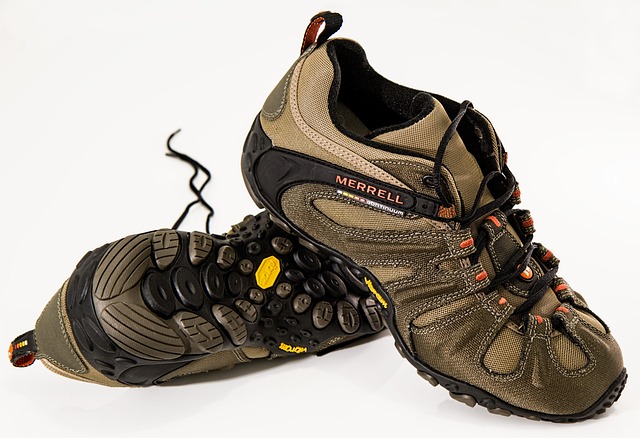
Slickrock is superb underfoot when it is dry and a genuine hazard in smooth soled trainers. The name is not decorative. Whatever you wear needs a proper rubber sole with a tread pattern.
- Closed toe, always. Sand gets everywhere and the rock is abrasive. Several operators refuse open toed shoes outright on canyoneering trips.
- Grippy rubber over stiff boots. Approach shoes or trail runners handle Moab better than heavy hiking boots for most day trips.
- Shoes you do not mind soaking for any wet canyon, Grandstaff Canyon or Professor Creek.
- Ice is the winter problem. A film of ice on slickrock is dangerous, and on the Delicate Arch slabs it is the reason people fall. Microspikes or poles are worth having from December to February.
- Break them in first. New boots plus three miles of slickrock is a blister guarantee.
Exposure
Sun cover, including the counterintuitive one
There is effectively no shade on the open trails, and the elevation makes the sun stronger than the temperature suggests. July averages 99 degrees in Moab and about half of July days pass 100.
- A brimmed hat, not a cap. Ears and neck burn first here.
- Long sleeves in summer. This is the counterintuitive one and it is correct: light, loose, pale fabric beats bare skin in the desert. Sun shirts exist for a reason.
- Sunscreen you will actually reapply, and a small tube in the pack rather than one left in the car.
- Sunglasses. Pale sandstone in full sun is genuinely dazzling.
- Lip balm with sun protection. Small thing, ruins a trip.
The mistake almost everyone makes
The forty degree day
The National Park Service notes swings sometimes exceeding 40 degrees within a single day. April averages 72 by day and 42 overnight. October runs 73 and 41. People pack for the daytime high, then spend a dawn start shivering.
A dawn start in spring or autumn is genuinely cold until the sun clears the canyon walls, which can be an hour into the walk. One light insulating layer and a windproof shell covers it, and both pack down to nothing.
Carry a head torch if there is any chance of finishing near dusk. Desert twilight is shorter than people expect, and the walk back always takes longer than the walk out.
Adjustments
By season
| Season | Add | Why |
|---|---|---|
| March to May | Warm layer, windproof shell | Days reach 72 to 83, nights drop to 42. Wind is the underrated factor in spring |
| June to August | Extra water, sun shirt, electrolytes | July averages 99 and half of July days pass 100. Start at dawn and carry more than feels sensible |
| September to November | Warm layer, head torch | Warm days, cold nights, and daylight shortening faster than you notice |
| December to February | Microspikes or poles, gloves, hat | Highs of 30 to 50, lows near zero. Even small amounts of ice make slickrock and trails impassable |
What is already supplied
By trip type
Guided hike
Bring the basics
They supply: transport to the trailhead, route knowledge, first aid, and park entry on most trips.
You bring: water, closed toe shoes, hat, sunscreen, snacks, a layer. Ask whether lunch is included, since it usually is not on a half day.
Canyoneering
All technical gear provided
They supply: rope, harness, helmet, rappel device, gloves, anchors, instruction and transport. Wetsuits on wet routes, though confirm.
You bring: two litres minimum, shoes you can soak, clothes that dry fast. Cotton is the wrong answer on a wet route.
Park tour
Very little needed
They supply: air conditioned vehicle, entrance fee on most, water on many.
You bring: hat, sunscreen, comfortable shoes, and a car seat if you have a child aged eight or under, which Utah law requires and operators expect you to provide.
With children
Carry theirs
Children heat up faster than adults and are worse at saying so. Carry their water yourself and make drinking scheduled rather than on demand. A brimmed hat matters more for them than for you.
Save the weight
What you can leave behind
- Heavy mountaineering boots. Overkill for nearly every Moab day trip, and hotter than you want.
- A water filter, unless you are going into the backcountry. There is nothing to filter on the popular trails.
- Bear spray. Wrong ecosystem.
- A heavy jacket in summer. A light layer covers the evening.
- Trekking poles on short trails, though they earn their place in winter ice and on long descents.
The pack that works here is small. Water is most of the weight, and that is as it should be.
Common questions
Packing questions
How much water should I carry hiking in Moab?
Two to three litres per person for a front country hike and four litres or more for backcountry travel, which are the National Park Service figures for Arches and Canyonlands. Turn round when half your water is gone rather than when it runs out, and carry it with you rather than leaving it in the vehicle.
What shoes are best for hiking in Moab?
Closed toe shoes with a proper rubber tread. Slickrock grips well when dry and is hazardous in smooth soled trainers. Approach shoes or trail runners suit most day trips better than heavy boots. For any wet canyon, bring shoes you do not mind soaking. In winter, add microspikes or poles for ice.
Should I wear long sleeves hiking in the desert?
In summer, yes. Light, loose, pale fabric protects better than bare skin and sunscreen alone, and there is almost no shade on the open trails. It feels counterintuitive at 99 degrees and it is still the right call. A brimmed hat matters more than a cap because ears and neck burn first.
What gear do guided trips supply in Moab?
Canyoneering trips supply all technical gear: rope, harness, helmet, rappel device, gloves and anchors, plus instruction and transport to the canyon. Guided hikes supply transport, route knowledge and first aid, and usually park entry. Neither generally includes meals. Water, footwear, sun cover and snacks are on you in every case.
Do I need a warm layer in Moab?
Yes, in every season except high summer. The National Park Service notes daily temperature swings sometimes exceeding 40 degrees. April averages 72 by day and 42 overnight, October 73 and 41. A dawn start in spring or autumn is cold until the sun clears the canyon walls.
Next step
Plan the rest
Water figures, temperature swings and seasonal guidance from the National Park Service, checked September 2026. Operator inclusions vary, so confirm what is supplied when you book.