Month by month
The best time to visit Moab for hiking
October and April, if you want the short answer. But every month here works for something, and the wrong month for hiking is often the right month for having the place to yourself.
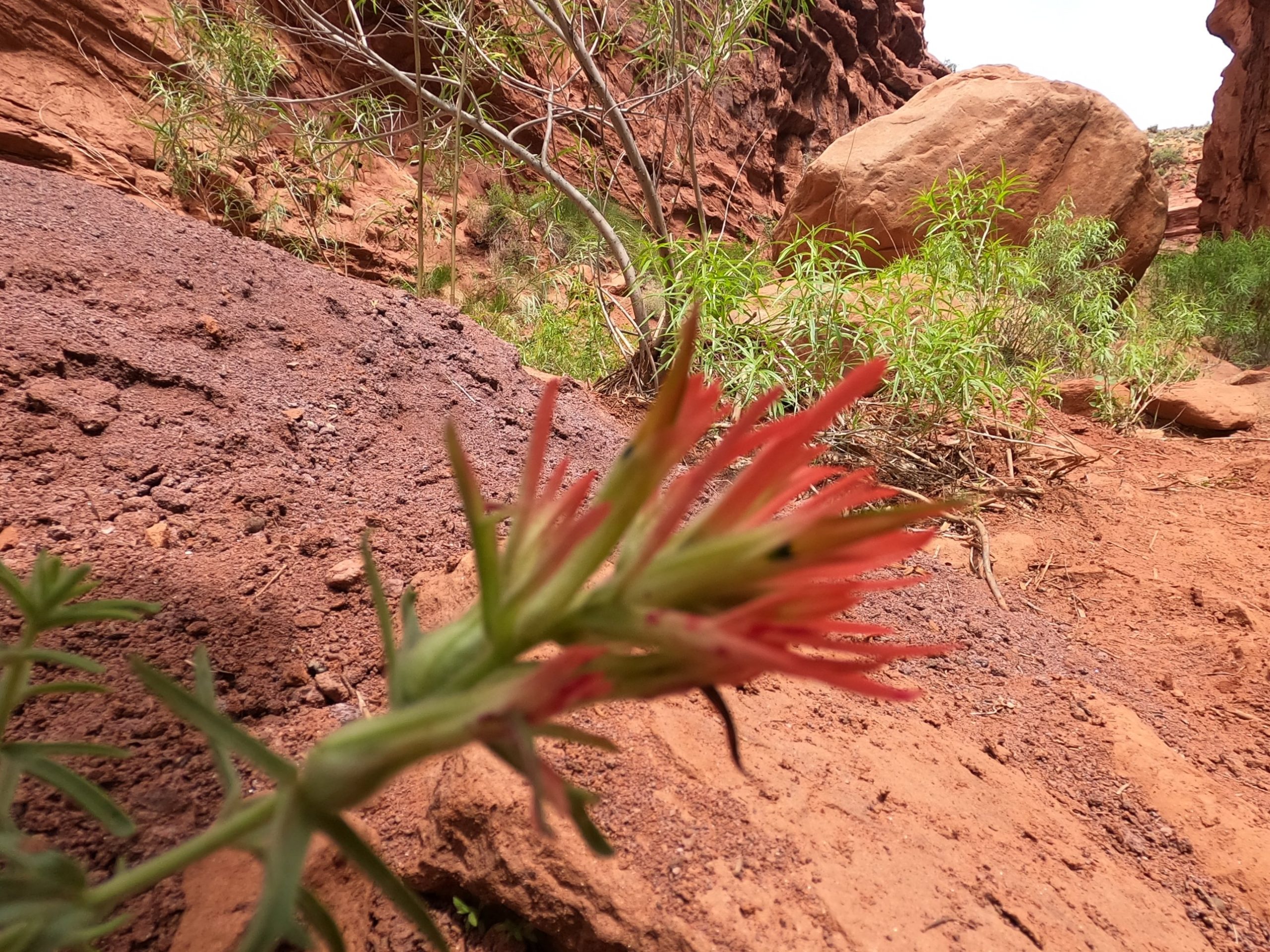
The short answer
Come in October. Warm days, cold nights, thinner crowds than spring, and light that photographers plan whole trips around. April is its equal on temperature and busier. The National Park Service calls spring and mid September through October the temperate and most popular seasons, with highs of 60 to 80 degrees.
If you cannot choose freely, nothing here is a write off. Summer works at dawn with the right routes. Winter is genuinely lovely and almost empty.
The numbers
The year at a glance
Average high temperatures in Moab over the thirty year record, with the average overnight low beneath.
- Jan
- 43°low 20
- Feb
- 51°low 26
- Mar
- 63°low 35
- Apr
- 72°low 42
- May
- 83°low 50
- Jun
- 93°low 58
- Jul
- 99°low 65
- Aug
- 96°low 63
- Sep
- 87°low 53
- Oct
- 73°low 41
- Nov
- 56°low 30
- Dec
- 44°low 21
Best for hiking Heat is the limiting factor Workable
Two things those numbers hide. Half of all July days reach 100 degrees or more, so the average understates it. And the rock you walk on runs far hotter than the air, with almost no shade anywhere on the open trails.
March to May
Spring: everything open, everyone here
The conditions are close to ideal. April averages 72 degrees, canyons that hold water are running, wildflowers appear on the BLM land, and every operator is working a full schedule. It is also the busiest season alongside autumn, and Arches took over 1.5 million visits in 2025.
- March is the sleeper month. Averages 63 degrees, noticeably quieter than April, and cool enough that the exposed classics are comfortable. Nights still drop to 35, so bring a proper layer.
- April is the peak of the good conditions. Book lodging and guides several weeks out.
- May averages 83 and starts to bite by late month. Still excellent early in the day, and the last comfortable window for Delicate Arch at midday.
Canyons with water run cold and higher in spring. Good news for scenery, worth asking about on any wet canyoneering route, since a swim in April is a different proposition to a swim in August.
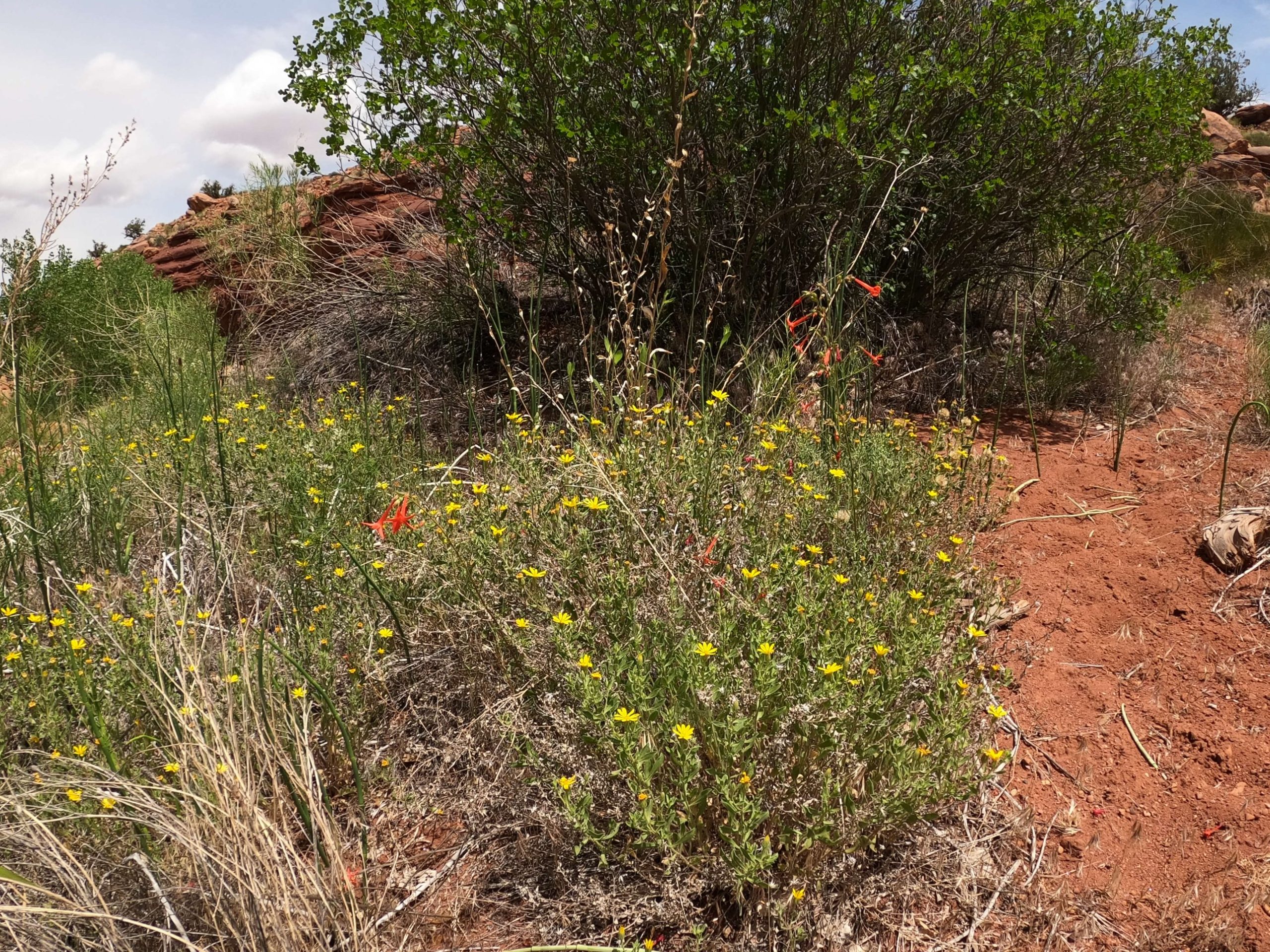
June to August
Summer: workable, on different terms
The park service puts it plainly: summer temperatures often exceed 100 degrees, making strenuous exercise difficult. That is not a reason to stay away, it is a reason to restructure the day.
- Hike at dawn. Arches is open twenty four hours and timed entry has ended, so a five thirty start costs you nothing. Finish before ten.
- Pick water or shade. Grandstaff Canyon, Professor Creek and wet canyoneering routes rather than open slickrock. This is the season canyoneering comes into its own, because most of the day is spent in shaded canyon and water.
- Watch the sky from July. Monsoon season brings what the park describes as violent storm cells that often cause flash floods and can close roads. Any slot canyon becomes a serious hazard on a stormy afternoon, and reputable operators cancel on the forecast.
- Carry more than you think. Two to three litres per person for a front country hike, four or more in the backcountry, and turn round when half of it is gone.
The upside nobody mentions: summer is the easiest season to book a guide at short notice, and the trails are emptier at seven in the morning than they ever are in October.
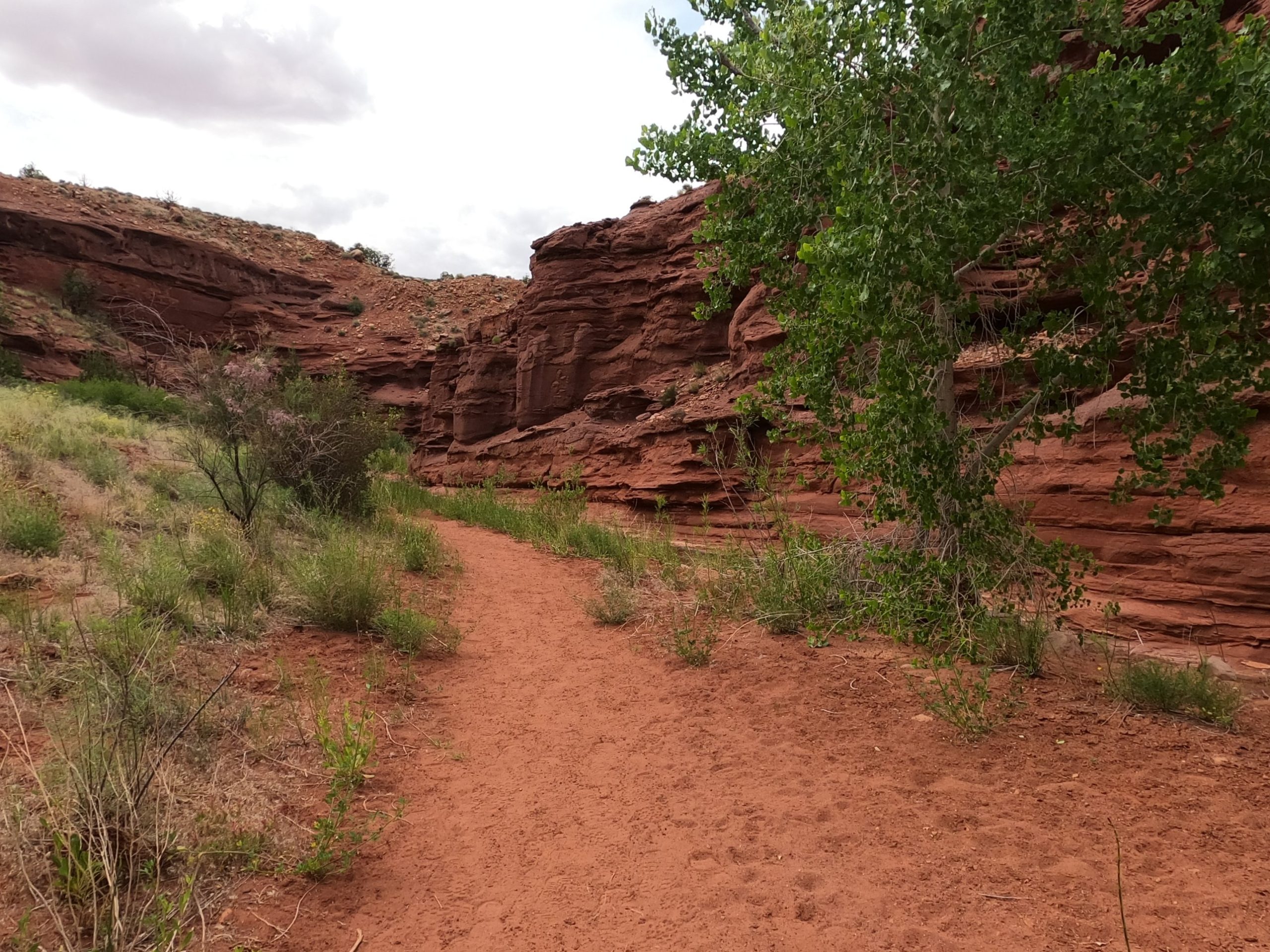
September to November
Autumn: the local favourite
Ask guides here which month they would pick and most say October. Averages 73 degrees, nights down to 41, crowds thinner than spring, and the low sun angle does remarkable things to red rock in the last two hours of the day.
- September still averages 87 and the first half behaves like late summer. From mid month it turns, and the park counts mid September onward as its temperate season.
- October is the best month of the year for hiking here, on balance of temperature, light and crowds.
- November averages 56 and empties out. Cold nights, short days, and a genuinely peaceful time to walk. Ranger programmes wind down.
Some of the longer canyoneering routes run only in narrow windows. Granary Canyon, for instance, operates February to March and September to November, closed through the summer. Autumn is the better half of that window and it books up.
December to February
Winter: empty and underrated
Snow on red rock is worth seeing once, and you will have trails largely to yourself. Highs run 30 to 50 degrees and lows can reach zero to 20. The trade is real but so is the reward.
- Ice is the hazard. The park warns that even small amounts of snow or ice can make local trails and roads impassable. Slickrock with a film of ice on it is genuinely dangerous, and the exposed slabs on Delicate Arch are the obvious example.
- Short days. Plan shorter outings and carry a head torch.
- Reduced schedules. Some operators run limited programmes and the ranger led Fiery Furnace tours do not run. Medieval Chamber canyoneering runs year round.
- The visitor centre is open daily except Christmas Day.
If your priority is solitude rather than perfect conditions, February is the most underrated month in Moab. It averages 51 degrees, which is pleasant walking weather, and almost nobody is here.
Packing implication
The forty degree day
High desert temperatures swing hard. The park service notes fluctuations sometimes exceeding 40 degrees within a single day, and the monthly averages on this page show it: April runs 72 by day and 42 overnight, October 73 and 41.
Which means the same day can want sun protection and a warm layer, and a dawn start in spring or autumn is genuinely cold before the sun clears the canyon walls. People who pack for the daytime high and nothing else spend the first two hours miserable.
Practical
How far ahead to book
| Season | Lodging | Guided trips | Notes |
|---|---|---|---|
| March to May | Months | 2 to 4 weeks | Busiest window. Lodging is the real constraint, not guides |
| June to August | Weeks | A week or less | Easiest season to book late. Dawn starts, wet routes |
| September to November | Months | 3 to 4 weeks | October fills early. Seasonal canyons reopen and book out |
| December to February | Days | A week | Reduced operator schedules, so confirm the trip runs at all |
The Fiery Furnace is the exception in every season: ranger tickets release exactly seven days ahead at 8am Mountain and self guided permits two to seven days ahead. Neither can be booked further out, whenever you visit.
Common questions
Timing questions
What is the best month to visit Moab for hiking?
October, on balance of temperature, light and crowds. It averages a high of 73 degrees with nights around 41, and is noticeably quieter than April despite similar conditions. April is its closest equal. The National Park Service treats spring and mid September through October as the temperate and most popular seasons, with highs of 60 to 80 degrees.
Is Moab too hot to visit in summer?
Not too hot, but it changes how you plan. July averages 99 degrees and roughly half of July days reach 100 or more, and the park service says strenuous exercise becomes difficult. Hike at dawn, choose shaded or wet routes such as Grandstaff Canyon or a canyoneering trip, and carry two to three litres per person. Summer is also the easiest season to book a guide at short notice.
When is monsoon season in Moab?
Late summer, roughly July through September. The National Park Service describes violent storm cells that often cause flash floods and can close roads. Any slot canyon becomes a serious hazard on a stormy afternoon, and reputable canyoneering operators cancel trips on the forecast rather than run them.
Can you hike in Moab in winter?
Yes, and it is quiet and beautiful. Highs run 30 to 50 degrees with lows from zero to 20. The main hazard is ice: the park warns that even small amounts of snow or ice can make trails and roads impassable, and slickrock with ice on it is genuinely dangerous. Days are short, some operators reduce schedules, and ranger led Fiery Furnace tours do not run.
What is the quietest time to visit Moab?
December through February. February averages 51 degrees, which is pleasant walking weather, and almost nobody is there. November is the quietest of the shoulder months at an average 56 degrees. Arches recorded over 1.5 million visits in 2025, and the overwhelming majority of those fall in spring and autumn.
How much do temperatures change during the day in Moab?
Substantially. The National Park Service notes swings sometimes exceeding 40 degrees within a single day. April averages 72 by day and 42 overnight, and October 73 and 41. Pack a warm layer even for a trip in a warm month, because a dawn start in spring or autumn is cold before the sun clears the canyon walls.
Next step
Once you have picked a month
Temperature figures are thirty year averages. Seasonal guidance, monsoon and winter warnings are from the National Park Service. Visitation figure is the 2025 recreation visit total for Arches. Conditions vary year to year, so check current forecasts and park alerts before you travel.